

ess pin header connector
ESS Pin Header Connector Description An ESS (Electrically Secure Socket) pin header connector is a type of electrical interconnect component widely used in electronic circuits to establish secure and reliable connections between printed circuit boards (PCBs), cables, or modules. These connectors are designed with precision to ensure stable signal transmission, mechanical durability, and ease of assembly in various applications, including consumer electronics, industrial equipment, automotive systems, and telecommunications. Structure and Design An ESS pin header typically consists of a male connector with one or more rows of metal pins housed in an insulating plastic body. The pins are usually made of high-conductivity materials such as brass or phosphor bronze, often plated with gold, tin, or nickel to enhance corrosion resistance and improve electrical conductivity. The plastic housing, commonly constructed from high-temperature-resistant materials like PBT (Polybutylene Terephthalate) or nylon, provides mechanical support and electrical insulation. The connector may feature straight or right-angled orientations, allowing flexibility in PCB layout and space optimization. Common pin counts range from single-row (1xN) to dual-row (2xN) configurations, with pitch sizes (spacing between pins) typically standardized at 2.54mm (0.1 inches), though finer pitches (e.g., 1.27mm) are also available for high-density applications. Key Features and Advantages 1. High Reliability – The secure mating mechanism ensures stable contact, minimizing signal loss or disconnection due to vibration or mechanical stress. 2. Easy Assembly – Pin headers are designed for through-hole or surface-mount (SMT) soldering, simplifying PCB assembly processes. 3. Versatility – Compatible with various socket types (e.g., IDC sockets, wire-to-board connectors), making them adaptable for different circuit designs. 4. Durability – Robust materials and plating ensure long-term performance in harsh environments, including high temperatures and humidity. 5. Cost-Effectiveness – Standardized designs and mass production make them an economical choice for high-volume applications. Applications ESS pin headers are extensively used in: - PCB Interconnections – Linking daughterboards, shields, or peripheral modules to mainboards. - Power and Signal Transmission – Supporting low-voltage digital signals or moderate power delivery. - Test and Prototyping – Facilitating temporary connections in development and debugging stages. Conclusion ESS pin header connectors are essential components in modern electronics, offering a balance of reliability, flexibility, and cost efficiency. Their standardized designs and robust construction make them indispensable for engineers seeking dependable interconnects in diverse electronic systems.
Products
Category:
-
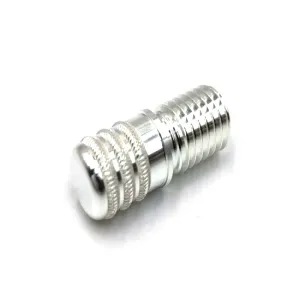
High-Reliability Pin Header Connector for Energy Storage Systems
Category: Diverse Socket&PinsBrowse number: 1Number:Release time: 2025-12-30 10:10:09The High-Reliability Pin Header Connector for Energy Storage Systems is designed to provide stable and dependable PCB interconnections in energy storage equipment that operates continuously under complex electrical conditions. In modern ESS architectures, pin header connectors are widely used to connect control boards, monitoring modules, and power management circuits, where connection stability directly affects system safety and efficiency.
News
Category:
-
[Company News]Common Installation Mistakes of M12 Connectors and How to Av...
2025-12-30 10:24:41
Case
Category:

Video
Category:
No search results found!
Download
Category:
No search results found!
Job
Category:
No search results found!
Featured Products
No search results found!



 Phone
Phone