

high current pins
High Current Pins: Design, Applications, and Considerations High current pins are critical components in electrical and electronic systems, designed to handle substantial electrical loads while maintaining reliable performance. These pins are engineered to conduct large currents with minimal resistance, heat generation, and voltage drop, ensuring efficient power transmission in demanding applications. Key Design Features 1. Material Selection: High current pins are typically made from conductive metals such as copper or copper alloys, which offer excellent electrical conductivity. Some designs incorporate silver or gold plating to enhance corrosion resistance and reduce contact resistance. 2. Robust Construction: To withstand high currents, these pins are built with thicker cross-sections, reducing resistance and preventing overheating. They may also feature reinforced mechanical structures to endure physical stress. 3. Thermal Management: Efficient heat dissipation is crucial. Many high current pins include heat sinks, cooling fins, or are integrated into thermally conductive housings to prevent overheating and ensure long-term reliability. 4. Contact Design: The pin’s contact surface is often optimized for low resistance, using techniques such as precision machining or spring-loaded contacts to maintain a secure connection under vibration or movement. Applications High current pins are widely used in industries where power delivery is critical: - Automotive and Electric Vehicles (EVs): They facilitate high-power connections in battery systems, charging ports, and motor controllers. - Industrial Machinery: Used in heavy-duty equipment, robotics, and power distribution systems. - Renewable Energy: Essential in solar inverters, wind turbines, and energy storage systems. - Aerospace and Defense: Deployed in avionics, radar systems, and other high-power electronic assemblies. Critical Considerations - Current Rating: The pin must be rated for the expected current load to avoid overheating or failure. - Voltage Drop: Excessive resistance can lead to power loss, so minimizing voltage drop is essential. - Environmental Factors: Corrosion, moisture, and temperature extremes can affect performance, necessitating protective coatings or enclosures. - Mechanical Durability: Pins must maintain secure connections despite vibrations, shocks, or repeated mating cycles. Conclusion High current pins play a vital role in modern electrical systems, enabling efficient power transmission in high-demand environments. Their design focuses on conductivity, thermal management, and mechanical robustness to ensure reliability. As industries continue to demand higher power densities, advancements in materials and cooling technologies will further enhance their performance and durability.
Products
Category:
-
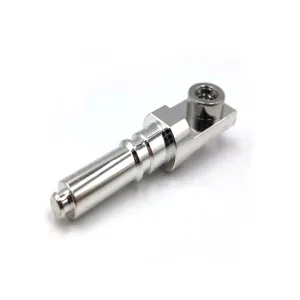
High-Current Interconnection Pins & Busbars
Category: Diverse Socket&PinsBrowse number: 1Number:Release time: 2025-12-30 10:45:41In power electronics and high-density energy systems, the demand for efficient and reliable high-current interconnection has never been greater. YFS Technology (SZ) Co., Ltd. introduces the PowerLink series—a specialized family of high-current interconnection pins, terminals, and integrated busbar systems engineered to meet the rigorous demands of modern power distribution applications.
News
Category:
-
[Company News]Risks of Hot Plugging Power Connectors in Field Applications...
2025-12-30 11:09:06
Case
Category:
No search results found!
Video
Category:
No search results found!
Download
Category:
No search results found!
Job
Category:
No search results found!
Featured Products
-
NEWS
High-Current Interconnection Pins & Busbars
Learn more



 Phone
Phone