

low resistance connectors
Low Resistance Connectors: Design, Applications, and Benefits Low resistance connectors are critical components in electrical and electronic systems, designed to minimize power loss, reduce heat generation, and ensure efficient energy transfer. These connectors are engineered to provide highly conductive pathways with minimal electrical resistance, making them ideal for high-current applications where performance and reliability are paramount. Key Design Features 1. High-Conductivity Materials: Low resistance connectors are typically made from materials with excellent electrical conductivity, such as copper, silver, or gold-plated alloys. These materials ensure minimal electron flow obstruction, reducing voltage drop and energy loss. 2. Precision Engineering: The contact surfaces are often machined or plated to maintain smooth, clean interfaces, preventing oxidation or contamination that could increase resistance. 3. Optimized Contact Pressure: A secure mechanical connection is maintained through spring-loaded contacts, screws, or compression fittings to ensure consistent conductivity over time. 4. Thermal Management: Many low resistance connectors incorporate heat-dissipating designs, such as large surface areas or cooling fins, to handle high current loads without overheating. 5. Corrosion Resistance: Coatings like tin, nickel, or gold are applied to prevent oxidation, ensuring long-term stability in harsh environments. Applications Low resistance connectors are widely used in industries where energy efficiency and reliability are crucial: - Power Distribution: In battery systems, renewable energy installations, and grid infrastructure, these connectors minimize losses in high-current pathways. - Automotive and EV Systems: Electric vehicles rely on low resistance connectors for battery packs, charging systems, and motor controllers to maximize efficiency and range. - Industrial Equipment: Heavy machinery, robotics, and welding systems use these connectors to handle high power demands safely. - Aerospace and Defense: Critical systems demand connectors that perform reliably under extreme conditions with minimal resistance. - Consumer Electronics: High-performance devices use low resistance connectors in charging ports and circuit boards to enhance speed and reduce heat. Benefits - Energy Efficiency: Reduced resistance lowers power loss, improving overall system efficiency. - Enhanced Durability: Robust materials and designs ensure long-term performance even under mechanical stress or temperature fluctuations. - Safety: Minimized heat generation reduces fire risks and component degradation. - Cost Savings: Lower energy waste translates to operational savings over time. Conclusion Low resistance connectors play a vital role in modern electrical and electronic systems by optimizing performance, safety, and efficiency. Their advanced material selection, precision engineering, and thermal management make them indispensable in high-power applications across multiple industries. As technology evolves, the demand for even lower resistance and higher reliability connectors will continue to grow.
Products
Category:
-
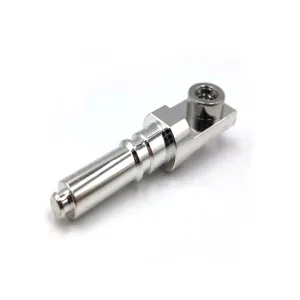
High-Current Interconnection Pins & Busbars
Category: Diverse Socket&PinsBrowse number: 1Number:Release time: 2025-12-30 10:45:41In power electronics and high-density energy systems, the demand for efficient and reliable high-current interconnection has never been greater. YFS Technology (SZ) Co., Ltd. introduces the PowerLink series—a specialized family of high-current interconnection pins, terminals, and integrated busbar systems engineered to meet the rigorous demands of modern power distribution applications.
News
Category:
-
[Company News]Risks of Hot Plugging Power Connectors in Field Applications...
2025-12-30 11:09:06
Case
Category:
No search results found!
Video
Category:
No search results found!
Download
Category:
No search results found!
Job
Category:
No search results found!
Featured Products
-
NEWS
High-Current Interconnection Pins & Busbars
Learn more



 Phone
Phone