

compact board integration connector
Compact Board Integration Connector: Design and Applications A compact board integration connector is a critical component in modern electronic systems, designed to facilitate reliable electrical connections between printed circuit boards (PCBs) or between a PCB and external modules. These connectors are engineered to optimize space, enhance signal integrity, and support high-density interconnections in applications where miniaturization and performance are key priorities. Key Features 1. High-Density Design: Compact connectors feature fine-pitch contacts, enabling a high number of connections within a minimal footprint. This is essential for devices like smartphones, wearables, and IoT modules, where PCB real estate is limited. 2. Robust Mechanical Performance: Despite their small size, these connectors are built to withstand mechanical stress, including vibration, shock, and repeated mating cycles. Locking mechanisms or latching systems ensure secure connections. 3. Signal Integrity Optimization: High-speed variants support data transmission with minimal crosstalk and impedance mismatches, making them suitable for high-frequency applications such as 5G modules and high-speed memory interfaces. 4. Versatile Configurations: Available in vertical, horizontal, or right-angle orientations, they accommodate diverse PCB layouts. Some designs also support board-to-board, board-to-flex, or board-to-cable connections. 5. Low-Profile Form Factor: Ultra-thin connectors reduce overall system thickness, critical for slim devices like tablets and foldable electronics. Applications - Consumer Electronics: Used in smartphones, tablets, and wearables for interconnecting display panels, sensors, and power modules. - Industrial Systems: Enable reliable connections in automation controllers, robotics, and embedded computing modules. - Medical Devices: Ensure secure signal transmission in portable diagnostic equipment and implantable devices. - Automotive Electronics: Support infotainment systems, ADAS (Advanced Driver Assistance Systems), and in-vehicle networking. Advantages Over Traditional Connectors - Space Efficiency: Eliminates bulky wiring, reducing system weight and complexity. - Scalability: Modular designs allow easy upgrades or replacements. - Reliability: Gold-plated contacts or corrosion-resistant materials enhance durability in harsh environments. Conclusion Compact board integration connectors are indispensable in today’s electronics, enabling seamless, high-performance interconnections while meeting the demands of miniaturization. Their versatility, durability, and efficiency make them a cornerstone of modern PCB design across industries.
Products
Category:
M series Connector
-
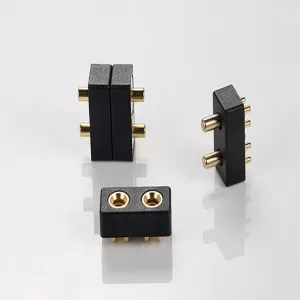
High-Density Board-Level Board-to-Board Connector
Category: Board-to-Board ConnectorsBrowse number: 2Number:Release time: 2025-12-29 15:51:48High-density board-level board-to-board connectors are designed to establish stable electrical connections between printed circuit boards within compact electronic assemblies. By enabling direct board stacking or parallel board integration, these connectors help reduce internal wiring, improve layout efficiency, and support modular system design.
News
Category:
-
[Company News]Design Challenges When Integrating Push-Pull Connectors into...
2025-12-30 08:57:18 -
[Company News]How M12 Connectors Are Tested for Vibration and Shock Resist...
2026-01-02 09:03:49
Case
Category:

Video
Category:
No search results found!
Download
Category:
No search results found!
Job
Category:
No search results found!
Featured Products
No search results found!



 Phone
Phone