

electronic pins
Electronic Pins: Functions, Types, and Applications Electronic pins are fundamental components in electrical and electronic systems, serving as connection points that facilitate signal transmission, power delivery, and mechanical stability. These small yet critical elements are found in integrated circuits (ICs), connectors, printed circuit boards (PCBs), and various electronic devices. Their design, material, and configuration vary depending on the application, ensuring reliable performance in diverse environments. Functions of Electronic Pins 1. Electrical Connectivity: Pins establish conductive pathways between components, enabling the flow of signals or power. 2. Mechanical Support: They secure components in place, preventing misalignment or disconnection due to vibration or movement. 3. Heat Dissipation: Some pins, especially in high-power applications, help transfer heat away from sensitive components. 4. Signal Integrity: Properly designed pins minimize interference and signal loss in high-frequency circuits. Types of Electronic Pins 1. Header Pins: Male pins used in connectors, often paired with female sockets for board-to-board or cable connections. 2. SMT (Surface-Mount) Pins: Designed for surface-mount technology, these pins are soldered directly onto PCBs, saving space. 3. Through-Hole Pins: Inserted into drilled PCB holes and soldered for robust mechanical and electrical connections. 4. Spring-Loaded Pins (Pogo Pins): Compressible pins used in test fixtures or temporary connections, ensuring consistent contact. 5. DIP (Dual In-line Package) Pins: Found in ICs, these parallel pins allow easy insertion into breadboards or sockets. 6. Jumper Pins: Used to configure circuit settings by connecting or bypassing specific pathways. Materials and Coatings Pins are typically made from conductive metals like copper, brass, or phosphor bronze, often plated with gold, tin, or nickel to enhance conductivity and prevent corrosion. Gold plating is preferred for high-reliability applications due to its oxidation resistance. Applications Electronic pins are ubiquitous in: - Consumer electronics (smartphones, laptops). - Automotive systems (ECUs, sensors). - Industrial machinery (control panels, robotics). - Medical devices (diagnostic equipment). - Aerospace and defense systems. Design Considerations Factors like pin length, diameter, pitch (spacing), and current-carrying capacity must align with the application’s requirements. Poorly designed pins can lead to signal degradation, short circuits, or mechanical failure. In summary, electronic pins are indispensable in modern technology, ensuring seamless connectivity across countless devices. Their versatility and reliability make them a cornerstone of electronic design.
Products
Category:
-
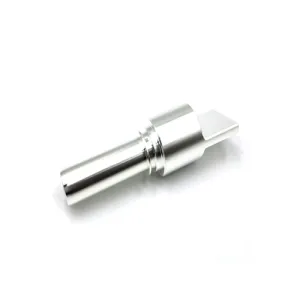
PinConnect Precision Interconnection Pins
Category: Diverse Socket&PinsBrowse number: 1Number:Release time: 2025-12-30 10:17:48Interconnection pins represent the fundamental building blocks of electronic connectivity, serving as the essential interface components that establish reliable electrical pathways within countless electronic systems. YFS Technology (SZ) Co., Ltd. introduces PinConnect Precision Interconnection Pins, engineered to deliver uncompromising performance as standalone components or integrated elements within larger connector systems.
News
Category:
-
[Company News]Contact Heating and Lifetime Degradation of Spring-Loaded Co...
2025-12-30 10:42:40 -
[Company News]Mechanical Reliability of Push-Pull Connectors Under Drop an...
2025-12-30 11:01:20 -
[Company News]Contact Reliability of Spring-Loaded Contacts in High-Dust E...
2025-12-30 11:11:04
Case
Category:

Video
Category:
No search results found!
Download
Category:
No search results found!
Job
Category:
No search results found!
Featured Products
-
NEWS
PinConnect Precision Interconnection Pins
Learn more



 Phone
Phone