

electronic socket interface
Electronic Socket Interface: A Comprehensive Overview An electronic socket interface is a critical component in modern electronics, serving as the physical and electrical connection point between integrated circuits (ICs) or other electronic devices and a printed circuit board (PCB). It ensures reliable signal transmission, power delivery, and mechanical stability, making it indispensable in applications ranging from consumer electronics to industrial systems. Key Features and Functions 1. Mechanical Support and Alignment The socket provides a secure housing for ICs, ensuring proper alignment with the PCB. This is particularly important for high-pin-count devices, such as microprocessors or memory modules, where precise positioning is necessary to avoid misalignment or damage during insertion. 2. Electrical Connectivity The socket’s contacts establish electrical pathways between the IC and the PCB. These contacts are typically made of conductive materials like beryllium copper or phosphor bronze, offering low resistance and high durability. Gold plating is often applied to enhance conductivity and prevent oxidation. 3. Ease of Replacement and Upgradability Unlike soldered connections, sockets allow for easy removal and replacement of components. This feature is essential for prototyping, testing, and field upgrades, reducing downtime and maintenance costs. 4. Thermal and Signal Integrity Management High-performance sockets incorporate design elements to manage heat dissipation and minimize signal interference. Some include shielding or grounding features to reduce electromagnetic interference (EMI) and crosstalk in high-frequency applications. Types of Electronic Sockets - Zero Insertion Force (ZIF) Sockets: Used for delicate ICs, these sockets require minimal force for insertion, reducing the risk of pin damage. - Land Grid Array (LGA) Sockets: Common in CPUs, these provide high-density connections with a flat contact surface. - Dual In-line Package (DIP) Sockets: Widely used for through-hole components, offering simplicity and reliability. - Ball Grid Array (BGA) Sockets: Designed for surface-mount devices, enabling high pin counts in compact form factors. Applications Electronic socket interfaces are ubiquitous in computing (CPUs, RAM modules), telecommunications (switches, routers), automotive systems (ECUs), and industrial automation. Their versatility and reliability make them a cornerstone of modular and scalable electronic designs. Conclusion By providing robust mechanical support, efficient electrical connectivity, and flexibility for component replacement, electronic socket interfaces play a vital role in ensuring the performance and longevity of electronic systems. Advances in materials and design continue to enhance their capabilities, meeting the demands of increasingly complex and miniaturized devices.
Products
Category:
-
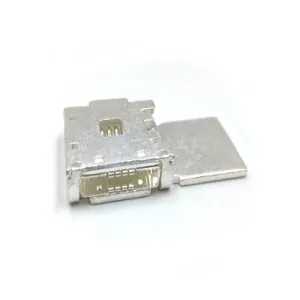
High-Density Rectangular Socket Connector
Category: Diverse Socket&PinsBrowse number: 3Number:Release time: 2025-12-31 09:15:52The Rectangular Socket Connector is a versatile interconnection component designed to support stable signal and power transmission in modular electronic systems. Featuring a standardized rectangular interface, this connector enables precise alignment, high contact integrity, and flexible mating with corresponding pin or blade connectors.
News
Category:
No search results found!
Case
Category:
No search results found!
Video
Category:
No search results found!
Download
Category:
No search results found!
Job
Category:
No search results found!
Featured Products
No search results found!



 Phone
Phone