

modular connectors
Modular Connectors: A Comprehensive Overview Modular connectors are a type of electrical connector widely used in telecommunications, networking, and data transmission applications. These connectors are designed for ease of use, reliability, and versatility, making them a standard choice for connecting various devices and systems. The most common modular connectors are the RJ (Registered Jack) series, including RJ11, RJ12, RJ45, and other variants, each tailored for specific applications. Design and Structure Modular connectors consist of a plastic housing with metal contacts inside. The housing is typically rectangular with a locking tab to secure the connection. The number of positions (slots for wires) and contacts (actual conductive elements) varies depending on the connector type. For example: - RJ11: Commonly used in telephone lines, it has 6 positions but typically uses 2 or 4 contacts. - RJ45: Used in Ethernet networks, it has 8 positions and 8 contacts, supporting higher data rates. The connectors are designed for quick insertion and removal while maintaining a secure connection. The locking tab prevents accidental disconnection, ensuring stability in high-vibration environments. Termination Methods Modular connectors are typically terminated using insulation-displacement contacts (IDC), where wires are pressed into metal slots that pierce the insulation to establish a connection. This method eliminates the need for soldering, simplifying installation. Crimping tools are used to attach the connector to a cable, ensuring proper alignment and conductivity. Applications Modular connectors are used in various industries: - Telecommunications: RJ11 and RJ12 connectors are standard in analog phone systems. - Networking: RJ45 connectors are essential for Ethernet cables in LANs and data centers. - Audio/Video: Some modular connectors are used in professional audio equipment and security systems. Advantages - Standardization: Widely adopted, ensuring compatibility across devices. - Cost-Effective: Mass production makes them affordable. - Ease of Installation: No specialized skills required for termination. - Durability: Designed for repeated plugging and unplugging. Challenges - Wear and Tear: Frequent use can degrade the locking tab or contacts. - Crosstalk: Poorly shielded cables may suffer from signal interference. Conclusion Modular connectors are a cornerstone of modern connectivity, offering a balance of simplicity, reliability, and performance. Their standardized design ensures broad compatibility, while their modular nature allows for customization based on application needs. As technology evolves, these connectors continue to adapt, maintaining their relevance in an increasingly connected world.
Products
Category:
-
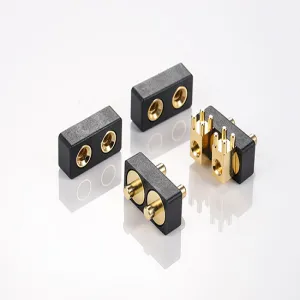
Precision Board-to-Board Connectors & Interconnection Solutions
Category: Board-to-Board ConnectorsBrowse number: 4Number:Release time: 2025-12-29 14:00:11YFS Technology's Board-to-Board Connectors represent the next generation of PCB interconnection systems designed for today's high-density, high-performance electronic devices. As electronic systems become increasingly compact while demanding greater functionality, reliable PCB-to-PCB connections have evolved from simple electrical bridges to critical system components affecting signal integrity, thermal management, and mechanical stability.
News
Category:
-
[industry news]Crosstalk and Shielding Strategies of RF / FAKRA Connectors...
2025-12-30 10:47:42 -
[Company News]Push-Pull Connectors in Industrial Applications: Design and...
2026-01-03 09:02:50
Case
Category:
No search results found!
Video
Category:
No search results found!
Download
Category:
No search results found!
Job
Category:
No search results found!
Featured Products
No search results found!



 Phone
Phone